WHY COUPS ARE SPREADING AGAIN IN AFRICA – The Guinea Bissau Case Study By Olayinka Olatunbosun, Ph.D

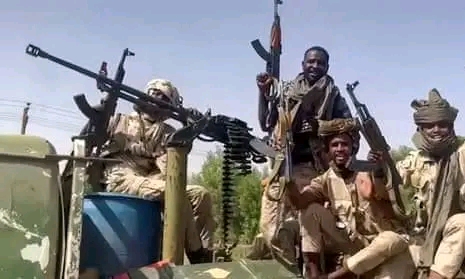
Across West and Central Africa a worrying pattern has re-emerged: a string of military seizures of power that have hollowed out fragile democratic gains and reshaped regional geopolitics. This trend — marked by coups in Mali, Burkina Faso, Niger and now the sudden takeover in Guinea-Bissau — reflects a mix of security failure, weak institutions, economic distress and, in some cases, the corrosive influence of organised crime.
A COMEBACK OF COUPS
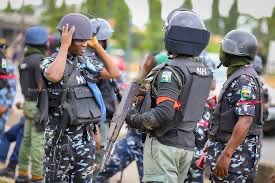
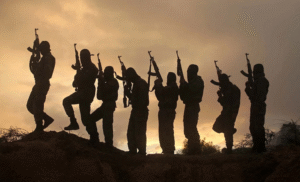
Between 2020 and 2025 several countries in the Sahel and neighbouring regions experienced coups or long military transitions, reversing a brief lull in unconstitutional changes of government. Analysts point to the interplay of chronic insecurity from jihadist violence, disillusionment with corrupt or ineffective civilian governments, and militaries emboldened by popular frustration or external influences. Regional bodies such as ECOWAS have struggled to deter or reverse these seizures despite sanctions and diplomatic pressure.
WHY GUINEA-BISSAU?
On 26 November 2025 army officers in Bissau announced they had taken “total control” of the country, suspending the electoral process and detaining senior political figures as gunfire echoed near the presidential palace. The takeover came days after a disputed presidential election in which both the incumbent, Umaro Sissoco Embaló, and his main rival claimed victory — a volatile post-vote atmosphere that the military said justified its intervention. International observers and civil society offered competing narratives: some accused the military of exploiting chaos to seize power, while others suggested the coup could be framed as a response to alleged electoral manipulation.
Guinea-Bissau’s history helps explain why it was vulnerable. Since independence the country has endured chronic political instability — this recent takeover is only the latest in a long line of coups and attempted coups. The state’s weak institutions and the presence of entrenched criminal networks linked to cocaine trafficking have long complicated governance and security, giving elements within the military both motive and opportunity to act when political tensions spike.
THE LOCAL CONSEQUENCES: ELECTIONS HALTED AND UNCERTAINTY AHEAD
The immediate effect in Bissau was a halt to the election process, closed borders and an information blackout as the military installed a High Military Command to “restore order.” The whereabouts of key political figures were uncertain in the hours after the takeover, and protesters and opposition leaders warned against a return to military rule. For ordinary Guineans, the coup threatens further economic contraction and deeper isolation from regional partners at a time when the country already faces severe development challenges.
REGIONAL RIPPLE EFFECTS
Guinea-Bissau’s coup underscores a broader dilemma for West Africa: how to respond to recurrent anti-constitutional changes without worsening humanitarian or economic pain. ECOWAS, the African Union and the United Nations routinely condemn coups, impose sanctions and demand a return to civilian rule, but their record of enforcement is mixed — sanctions can stall economies and even push juntas closer to alternative external patrons. Scholars warn that heavy-handed responses that ignore local dynamics can backfire while weak responses risk normalising coups as a political tool.
DRIVERS BEYOND THE HEADLINES
Several structural drivers feed the coup cycle:
• Security collapse and military prestige: In states facing insurgencies or lawlessness, the armed forces often portray themselves as the only institution capable of restoring order.
• State fragility and corruption: Weak public services and pervasive graft erode public trust in elected leaders, giving the military a populist argument for intervention.
• Economic distress: Stagnant economies, rising cost of living, and youth unemployment create fertile ground for unrest.
• Illicit economies: In coastal states like Guinea-Bissau, drug trafficking networks have at times infiltrated politics and security forces, complicating the distinction between crime and governance.
WHAT THE INTERNATIONAL COMMUNITY CAN (AND CAN’T) DO
Responses so far combine condemnation, travel bans, asset freezes and, at times, threats of force. But sanctions come with trade-offs: they can pressure juntas but also worsen civilian suffering and push coup leaders to seek new alliances. Effective long-term prevention requires deeper engagement — strengthening electoral institutions, supporting anti-corruption measures, bolstering economic resilience, and investing in security sector reforms that make militaries accountable to civilians. Regional diplomacy, backed by coherent international support, remains the most realistic path out of the cycle.
THE HUMAN STORY
ATTENTION: Follow 9jaReporters on Instagram for a chance to win ₦100,000 in our Top Fans Challenge!
JOIN NOW to participate and stand a chance to win exclusive prize ons, free airtime, and exciting gifts!
FOLLOW US TODAY! DON’T MISS OUT!
Behind the geopolitics are Guineans who watched, bewildered, as yet another political rupture upended daily life. Markets, schools and small businesses face immediate disruption; development projects risk cancellation; and the prospects for migration, both internal and across borders, increase as people seek stability. For a country of just over two million people, every political shock exacts a heavy toll.
CONCLUSION
The recent coup in Guinea-Bissau is both a local crisis and part of a wider pattern sweeping parts of Africa. Reversing the trend will not be quick or easy: it requires political will from domestic actors, credible regional leadership, targeted international support, and above all institutions that deliver security and economic opportunity to citizens. Without that deeper work, the cycle of power seizures and instability is likely to continue — and with it, more lives and livelihoods at risk.
Dr. Olatunbosun was the Labour Party Candidate in Ife East Local Government for the Osun State House of Assembly election in 2023.
Share This Article