TACKLING THE PROBLEM OF INSECURITY IN NIGERIA: A NATIONAL IMPERATIVE By Olayinka Olatunbosun, Ph.D


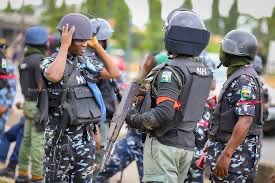
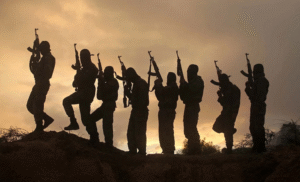
For more than a decade, insecurity has remained one of Nigeria’s most persistent and debilitating challenges. From the violent extremism in the Northeast to banditry in the Northwest, farmer–herder clashes in the Middle Belt, secessionist agitations in the Southeast, and urban crime in major cities, the nation has been grappling with a multifaceted crisis that threatens its stability, economic progress, and social cohesion. While successive administrations have launched various initiatives to stem the tide, the problem persists — often mutating into more complex forms. Tackling insecurity in Nigeria now demands not just government intervention, but a holistic, coordinated national approach.
A LANDSCAPE OF EVOLVING THREATS
Nigeria’s insecurity is neither monolithic nor static. The threats differ by region:
• Northeast: Boko Haram and ISWAP continue sporadic attacks despite military progress, exploiting porous borders and local grievances.
• Northwest: Armed banditry, kidnappings, and cattle rustling have displaced thousands, with criminal gangs exploiting ungoverned spaces.
• North Central: Farmer–herder conflicts fueled by climate change, resource strain, and ethnic tensions destabilize communities.
• Southeast: Separatist agitations and violent enforcement of sit-at-home directives create fear and economic disruption.
• South-South: Militancy, oil theft, and piracy threaten national revenue and maritime security.
• Southwest: Urban crimes like cultism, kidnapping, and armed robbery continue to rise.
The diversity and depth of these threats underscore one reality: insecurity in Nigeria is systemic rather than isolated.
WHY PREVIOUS SOLUTIONS FELL SHORT
Over the years, Nigeria has implemented several security strategies — military operations, community policing initiatives, regional collaborations, and even amnesty programs. Yet, widespread insecurity persists. Analysts often point to:
• Overreliance on force without tackling root causes such as poverty, unemployment, and poor governance.
• Weak intelligence gathering and limited use of modern surveillance technologies.
• Insufficient collaboration among security agencies leading to duplication of efforts.
• Corruption, which diverts funds meant for equipment, training, and personnel welfare.
• Lack of trust between communities and security operatives, resulting in inadequate information flow.
• Slow judicial processes that fail to deter crimes or ensure timely justice.
Unless these structural issues are addressed, tactical interventions will continue to yield limited results.
KEY PATHWAYS TO A SAFER NIGERIA
1. Strengthening Intelligence and Technology
Nigeria must shift from reactive to proactive security management. This requires:
• Investing in drones, surveillance cameras, and data-driven policing.
• Modernizing borders with biometric controls.
• Enhancing intelligence sharing among security agencies via secure digital platforms.
2. Community-Centered Security
Communities are the first line of defense. Strengthening trust between citizens and security agencies is crucial. Practical steps include:
• Expanding and empowering community policing.
• Establishing local intelligence networks.
• Creating community dialogue platforms to address grievances before they escalate.
3. Socio-Economic Interventions
Poverty and unemployment fuel violence. A national security strategy must include:
• Job creation initiatives targeting youths in high-risk regions.
• Strengthening education, vocational training, and entrepreneurial support.
• Addressing land-use conflicts through modern agricultural policies and ranching solutions.
4. Reforming the Security Architecture
A comprehensive reform should include:
• Improved training and welfare for security personnel.
• Decentralization of policing to allow state and regional police structures under strict regulation.
• Introducing performance-based accountability for security chiefs.
5. Tackling Corruption with Resolve
Transparency in defense spending and procurement is essential. Independent audits and stronger oversight bodies can deter misappropriation of funds meant for security operations.
ATTENTION: Follow 9jaReporters on Instagram for a chance to win ₦100,000 in our Top Fans Challenge!
JOIN NOW to participate and stand a chance to win exclusive prize ons, free airtime, and exciting gifts!
FOLLOW US TODAY! DON’T MISS OUT!
6. Leveraging Regional and International Partnerships
Cross-border crime requires cross-border cooperation. Strengthening ties with ECOWAS, the African Union, and global partners will improve intelligence, training, and logistics support.
THE ROLE OF CITIZENS
Every Nigerian has a part to play — from providing credible information to avoiding the spread of misinformation that fuels panic. Religious, traditional, and community leaders also have unique influence in promoting peace, tolerance, and conflict resolution.
CONCLUSION: A COLLECTIVE BATTLE
Insecurity in Nigeria is not merely a government problem; it is a national emergency demanding a united front. The path to a safer nation lies in combining military strength with economic reforms, technology, community cooperation, and political will. If Nigeria must fulfill its potential as Africa’s largest democracy and economic powerhouse, confronting the insecurity crisis head-on is not optional — it is an urgent imperative.
Dr. Olatunbosun was the Labour Party Candidate in Ife East Local Government for the Osun State House of Assembly during the last general election in 2023.
Share This Article